
Newsletter Subscribe
Enter your email address below and subscribe to our newsletter
Enter your email address below and subscribe to our newsletter


Solid-state drives have transformed business computing by providing faster performance, lower power consumption, and greater durability than many traditional storage technologies. They are now found in laptops, desktops, servers, data centers, and specialized business systems. Despite their reliability, SSDs eventually…
 ByJohn A
Most organisations meet AI through a chat box. Somebody starts using a general assistant to draft emails or summarise documents, it saves them twenty minutes a day, word gets round, and before long there is a quiet productivity bump nobody…
ByJohn A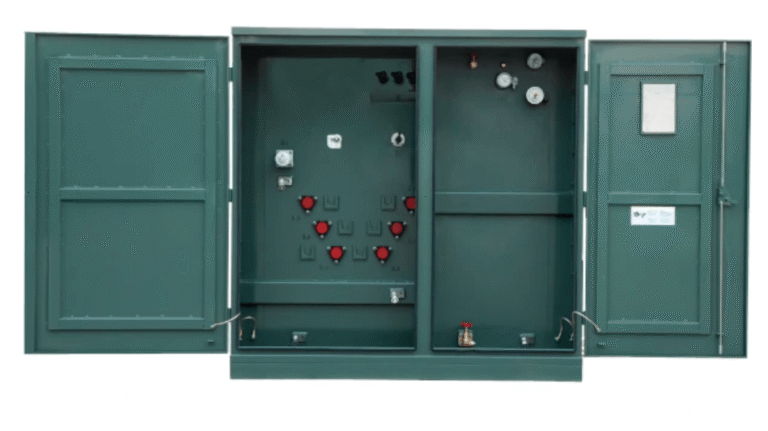
Three phase electrical systems are widely used in industrial facilities, commercial buildings, utility networks, and power distribution applications because they provide stable and efficient power delivery. In many of these systems, proper grounding is essential for safety, equipment protection, and…
ByJohn A
Modern homes and offices depend on appliances that work reliably every day. Dyson vacuums keep floors clean, fans improve comfort, and purifiers help maintain healthier indoor air. When one of these products stops working, waiting days for repair can be…
ByJohn AModern homes and offices depend on appliances that work reliably every day. Dyson vacuums keep floors clean, fans improve comfort, and purifiers help maintain healthier indoor air. When one of these products stops working, waiting days for repair can be…
ByJohn A
Crypto ecosystems are modular networks of actors, technologies, and standards that enable digital asset creation, transfer, and valuation. They can be modeled as layered flows with measurable inputs, outputs, and feedback loops. Core participants—developers, users, validators, exchanges, liquidity providers, auditors—interact…
ByJohn A
Understanding blockchain scalability requires a systems-first view of how blocks form, validate, and persist. Throughput hinges on consensus latency, data availability, and storage pipelines, not just chip speed. Layer 1 limits, Layer 2 strategies, and sharding define practical ceilings, while…
ByJohn A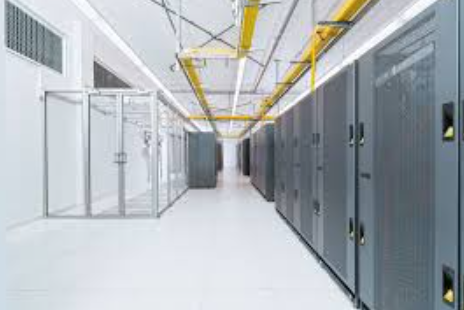
Energy efficiency in data centers translates operational metrics into measurable business value, while aligning risk controls with governance. It requires transparent, auditable progress toward defined goals and a balance of cost, reliability, and speed. Practical focus areas include intelligent cooling,…
ByJohn A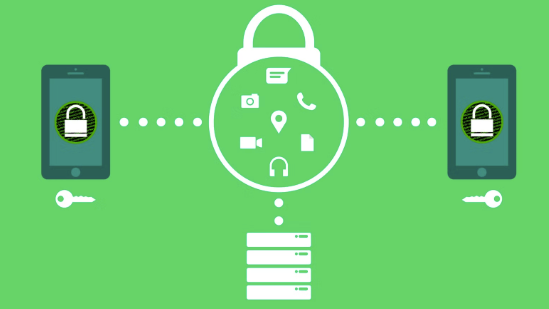
End-to-end encryption centers on keys only the communicating parties hold, ensuring intermediaries cannot decrypt content. It requires correct key management, trusted endpoints, and verified implementations. Certificates bind identities to keys, while passwords guard access. Real-world trade-offs arise in privacy, performance,…
ByJohn A
Emergency communication technologies integrate alerts, connectivity, and situational awareness to coordinate crisis response. Core systems reduce alert latency, provide redundant networks, and convert diverse data into actionable pictures for decision-makers. Challenges include outages, interoperability gaps, and misinformation. Reliability rests on…
ByJohn A