Newsletter Subscribe
Enter your email address below and subscribe to our newsletter
Enter your email address below and subscribe to our newsletter

 ByJohn A
Three phase electrical systems are widely used in industrial facilities, commercial buildings, utility networks, and power distribution applications because they provide stable and efficient power delivery. In many of these systems, proper grounding is essential for safety, equipment protection, and operational reliability.
A zig zag grounding transformer plays a major role in achieving these goals, especially in systems where a neutral point is not naturally available.
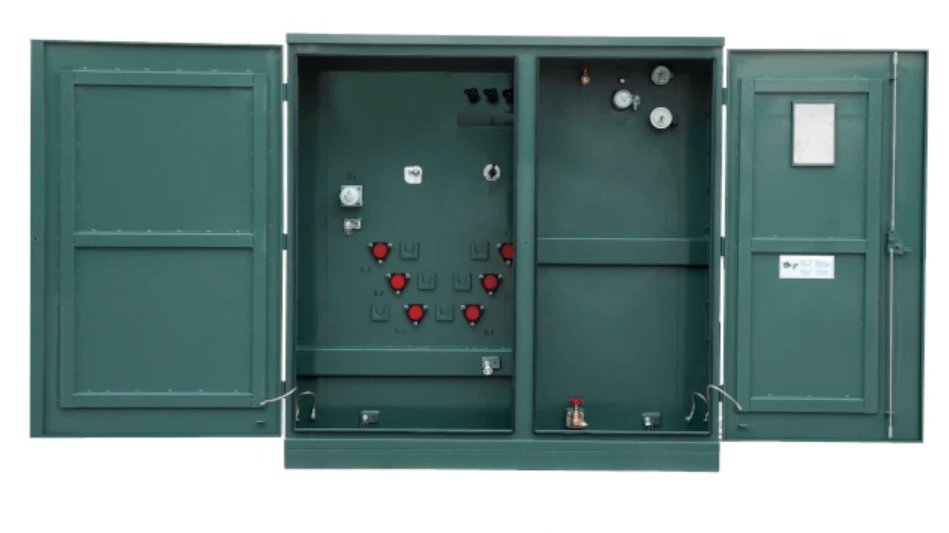
A zig zag grounding transformer is specifically designed to create an artificial neutral in three phase systems. This allows the system to be grounded effectively while improving fault protection and reducing electrical disturbances. These transformers are commonly used in ungrounded or delta connected systems where a direct neutral connection does not exist.
Understanding the benefits of this transformer helps engineers, plant managers, and electrical professionals make better decisions when designing and maintaining modern power systems.
A zig zag grounding transformer is a special type of transformer with windings connected in a zig zag pattern. The winding arrangement creates a neutral point that can be connected to ground. Under balanced operating conditions, very little current flows through the transformer. During a ground fault, the transformer provides a controlled path for fault current to flow safely to earth.
Unlike standard power transformers, zig zag transformers are not mainly used for voltage transformation. Their primary purpose is grounding and system stabilization.
These transformers are commonly installed in:
Their ability to provide grounding without supplying secondary load power makes them highly efficient for specific applications.
One of the biggest benefits of using a zig zag grounding transformer is enhanced ground fault protection. In ungrounded systems, detecting and clearing ground faults can be difficult. Faults may remain unnoticed and create hazardous operating conditions.
A zig zag transformer creates a reliable grounding reference that allows protective relays and circuit breakers to detect faults quickly. When a line to ground fault occurs, the transformer enables sufficient fault current flow so protective devices can operate properly.
This improves:
Fast fault detection reduces the risk of electrical fires, insulation damage, and extended outages.
Electrical systems require stable voltage conditions to operate efficiently. In ungrounded systems, transient overvoltages may occur during switching events or fault conditions. These voltage spikes can stress insulation and damage sensitive equipment.
A zig zag grounding transformer helps stabilize phase voltages by maintaining a consistent neutral reference. This reduces the occurrence of abnormal voltage fluctuations and transient conditions.
Improved voltage stability supports the operation of:
Stable operation is especially important in industries that depend on continuous production and precise electrical performance.
Transient overvoltages are sudden increases in voltage that may result from lightning strikes, switching operations, or ground faults. These overvoltages can damage insulation systems and shorten equipment lifespan.
In ungrounded systems, transient voltages may become significantly higher because there is no controlled path to ground. A zig zag grounding transformer helps limit these dangerous voltage rises.
By providing a grounded neutral point, the transformer reduces the magnitude and duration of transient overvoltages. This helps protect electrical infrastructure and minimizes maintenance costs over time.
The reduction in voltage stress improves the reliability of:
In many cases, installing a zig zag grounding transformer is more economical than redesigning the entire electrical system to include a grounded neutral source.
These transformers provide grounding capability without requiring major changes to the existing system configuration. This makes them a practical solution for facilities using delta connected systems or older electrical networks. For cost-effective grounding solutions, reach out to Meta Power Solutions as they offer comprehensive range of commercial and grounding transformers
Cost savings may come from:
Their compact design and targeted functionality also reduce the overall infrastructure footprint.
Delta systems are common in industrial environments because they provide reliable power delivery and operational flexibility. However, standard delta systems do not include a natural neutral point for grounding.
A zig zag grounding transformer solves this issue by creating an artificial neutral. This allows the benefits of grounding while preserving the advantages of delta operation.
This compatibility is particularly useful in:
Facilities can maintain their preferred system configuration while improving safety and fault management.
Electrical equipment can suffer significant damage from uncontrolled fault currents, overvoltages, and unstable operating conditions. Motors, drives, transformers, and control panels are especially vulnerable.
A zig zag grounding transformer helps reduce these risks by controlling fault behavior and stabilizing the system during abnormal conditions.
Key protection benefits include:
Protecting equipment leads to fewer repairs, lower replacement costs, and improved operational continuity.
Power quality is an important concern in modern facilities that rely on sensitive electronic equipment and automated systems. Voltage imbalance, harmonics, and transient disturbances can affect system performance and productivity.
A zig zag grounding transformer contributes to better power quality by maintaining balanced phase voltages and reducing electrical disturbances.
Improved power quality helps support:
Facilities that depend on precision manufacturing or data processing benefit greatly from improved electrical stability.
Harmonics are unwanted electrical frequencies generated by non linear loads such as variable frequency drives, rectifiers, and electronic equipment. Excessive harmonics can lead to overheating, equipment malfunction, and efficiency losses.
Certain zig zag grounding transformer designs can help manage harmonic currents, particularly zero sequence harmonics. The transformer winding configuration provides a path for these harmonic components, reducing their impact on the overall system.
Benefits of harmonic reduction include:
As industrial systems increasingly rely on electronic devices, harmonic management becomes more important.
See also: Emergency Communication Technologies
Electrical safety is a top priority in any power system. Ungrounded systems can create hazardous touch voltages and increase the risk of electric shock during fault conditions.
A zig zag grounding transformer enhances safety by establishing a controlled grounding path. This improves the effectiveness of protective devices and reduces dangerous voltage buildup.
Safer operating conditions benefit:
Improved fault clearing also reduces the likelihood of severe electrical incidents.
One reason many engineers choose zig zag grounding transformers is their design flexibility. These transformers can be customized for various voltage levels, grounding methods, and fault current requirements.
They can be used with:
This adaptability allows engineers to design systems that meet specific operational and regulatory requirements.
Renewable energy systems such as solar farms and wind power installations often require specialized grounding solutions. Many inverter based systems do not naturally provide a grounded neutral.
A zig zag grounding transformer can create the necessary grounding reference while improving fault management and system stability.
In renewable energy applications, these transformers help:
As renewable energy adoption grows, the importance of effective grounding solutions continues to increase.
Electrical systems must continue operating safely during fault conditions until protective devices isolate the affected section. A zig zag grounding transformer improves fault performance by providing a predictable path for ground fault currents.
This predictable behavior allows protective relays to function correctly and reduces uncertainty during abnormal events.
Reliable fault response helps minimize:
Facilities with critical operations benefit from improved fault management capabilities.
Because zig zag grounding transformers have a relatively simple design and specific function, they generally require less maintenance than more complex electrical equipment.
Routine inspections usually focus on:
Their durable construction and limited moving parts contribute to long service life and dependable operation.
Reduced maintenance demands help lower operating costs and improve overall system efficiency.
The benefits of zig zag grounding transformers make them valuable across a wide range of industries. Different sectors use these transformers to improve safety, reliability, and power quality.
Common applications include:
Their versatility allows them to support both traditional and modern electrical networks.
A zig zag grounding transformer provides several important advantages in three phase electrical systems. By creating an artificial neutral point, it enables effective grounding in systems that otherwise lack a direct neutral connection. This improves safety, fault protection, voltage stability, equipment reliability, and overall power quality.
These transformers are especially valuable in delta connected systems, industrial facilities, and renewable energy applications where reliable grounding is critical. Their ability to reduce transient overvoltages, manage fault currents, and support protective devices makes them an essential component in many modern power networks.
As electrical systems continue to become more advanced and interconnected, the role of proper grounding becomes even more important. The zig zag grounding transformer remains a practical and efficient solution for maintaining safe and stable operation in three phase systems.